Buying a Laptop in Late 2026? Here's What Actually Matters
Forget the spec-sheet arms race. After testing dozens of machines, these are the five things that separate a laptop you'll love from one you'll regret.
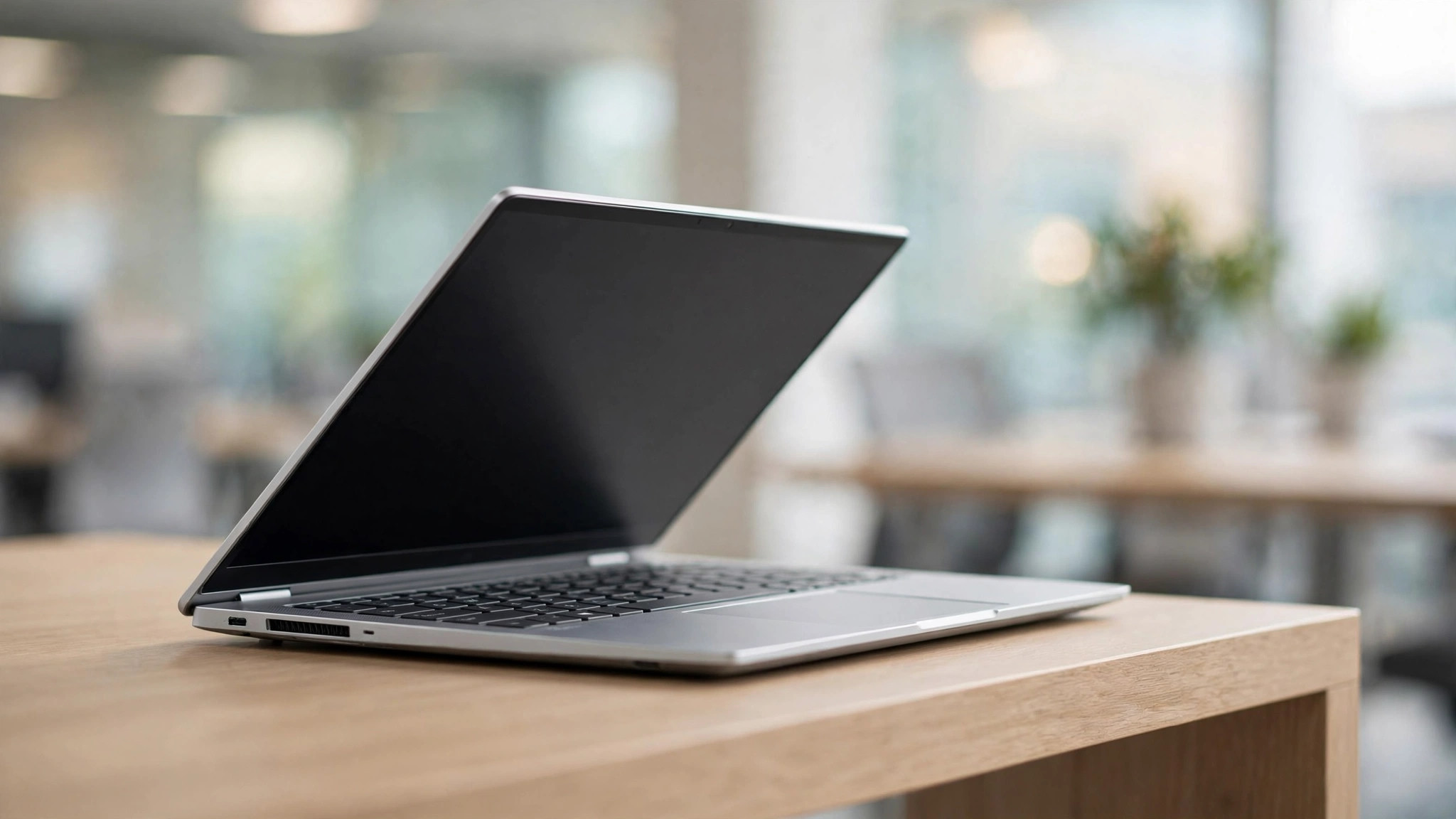
Laptop shopping has a dirty secret: most of the specs on the box don't matter. Nobody has ever loved their laptop because it had 2GB more RAM than the alternative. People love their laptops because the keyboard feels right, the battery survives a full day, and the thing doesn't sound like a hair dryer during a video call.
Here's what actually deserves your attention — and what's safe to ignore.
1. Battery life is the only spec that affects you daily
A faster chip saves you seconds. A dead battery ruins your afternoon. This is the single biggest quality-of-life factor in a laptop, and it's the one manufacturers are most creative about exaggerating.
Ignore the "up to 20 hours" claims (measured with the screen dimmed, Wi-Fi off, in a lab). Instead, look for independent reviews that test real-world mixed use. In 2026, a good ultraportable should give you 10+ hours of actual work. Anything under 8 is a compromise you should only accept if the machine is dramatically cheaper or more powerful.
2. The keyboard and trackpad are not details — they're the product
You will touch these two components thousands of times a day. A mushy keyboard will annoy you on day 400 far more than a slightly slower processor ever will.
If you can, try before you buy. If you can't, read reviews that specifically discuss key travel, layout quirks, and palm rejection. Trackpads have gotten good across the board, but keyboard quality still varies wildly — even between models from the same brand.
3. Buy for your real workload, not your fantasy workload
Be honest: are you editing 8K video, or are you editing Google Docs? The vast majority of buyers massively overspend on CPU and GPU they'll never stress.
- Web, email, documents, streaming: Any modern mid-range chip is plenty. Spend the savings on a better screen.
- Coding, photo editing, light video: Step up to a stronger CPU and 16GB of RAM. This is the sweet spot for most professionals.
- 3D, heavy video, ML work: Now the expensive stuff earns its keep — but consider whether a desktop makes more sense.
The most future-proof upgrade you can buy isn't a faster chip. It's more RAM and a bigger SSD, because those are what actually become painful when they're too small.
4. The screen is where your money shows
You stare at it for hours. A dim, washed-out panel makes a $1,500 laptop feel cheap; a bright, color-accurate one makes an $800 laptop feel premium.
Minimums worth insisting on: 400 nits of brightness (you'll thank yourself near windows), and decent color coverage if you do any creative work. High refresh rates are lovely but optional — nice for scrolling smoothness, not essential.
5. Ports, repairability, and the stuff nobody puts on posters
Two USB-C ports and a prayer isn't a connectivity strategy. Check what you actually plug in. And in 2026, repairability matters more than ever: machines with replaceable SSDs and batteries last years longer. Some brands publish repair scores now — a low score means the laptop is disposable by design, priced accordingly.
What to ignore
The AI TOPS number. Every laptop now advertises trillions of operations per second for on-device AI. For 95% of buyers in 2026, this changes nothing about daily use. Nice to have; never the deciding factor.
Slightly thinner. We're past the point where shaving 2mm improves your life. It usually just means worse cooling and fewer ports.
The "Pro" tax. The base model with sensible RAM is almost always the smart buy. The upgraded tiers charge a premium that rarely matches the performance gain.
Buy the boring, well-reviewed machine with great battery, a keyboard you like, and a screen that makes you happy. Your future self — typing on it at 11pm with 40% battery left — will thank you.